
Gym Bag Essentials: Choosing the Perfect Post-Workout Cleansing Bar
Updated: Apr 6
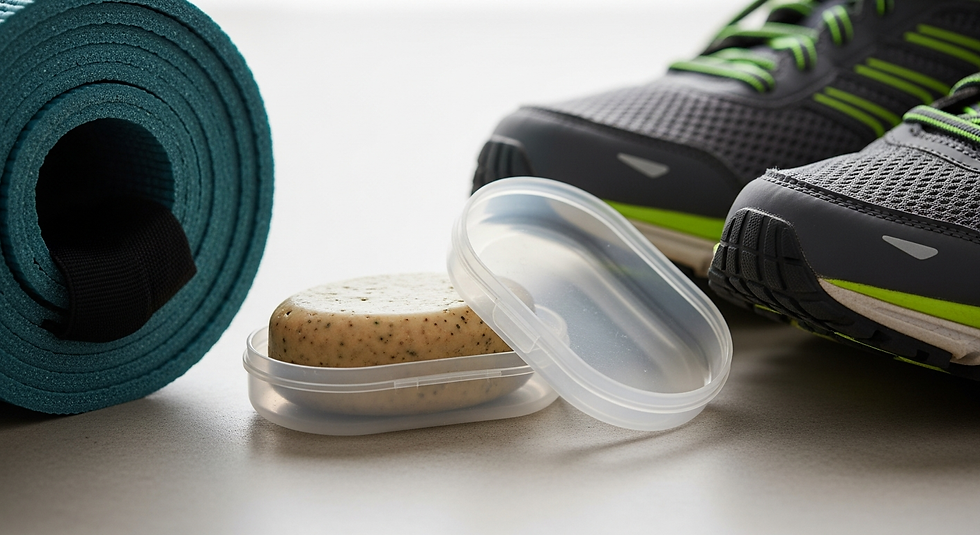
After a vigorous workout, proper cleansing is essential to refresh your skin and restore balance. For gym-goers, a gym soap tailored to post-exercise needs can make all the difference. an experienced artisan soap maker, I’ve spent years crafting natural, skin-loving formulations that cater to active lifestyles. Let’s explore how the right bar of handmade soap can elevate your post-workout routine whilst keeping your skin healthy and invigorated.
Why Gym Soap Matters
A workout soap isn’t just about removing sweat; it’s about cleansing effectively without stripping your skin of its natural oils. Sweat, bacteria, and environmental grime accumulate during exercise, making a quality soap essential to prevent clogged pores and irritation. Unlike commercial soaps, handcrafted sports soap offers a gentler alternative, enriched with natural oils and botanicals to soothe and nourish your skin after exercise.
The Problem with Commercial Soaps
Many mass-produced options rely on synthetic detergents and harsh chemicals like SLS (sodium lauryl sulfate), which can dry out or irritate the skin. As someone who values natural skincare, I’ve seen firsthand how cold-process soaps enriched with plant-based oils and pure essential oils outperform these alternatives. They cleanse effectively whilst leaving skin soft and hydrated.
Key Benefits of Handmade Gym Soap
Gentle cleansing: Removes sweat and impurities without disrupting skin’s natural barrier.
Hydration: Ingredients like cocoa butter and olive oil provide moisture, preventing post-workout dryness. This is due to retained natural glycerin.
Natural deodorising: Essential oils like tea tree and peppermint neutralise odours without synthetic fragrances.
Eco-friendly: Plastic-free packaging and biodegradable ingredients align with Eco-friendly values.
Customisable: Tailored formulations for different skin types, from oily to sensitive.
Choosing the Right Ingredients for Post-Workout Care

Every ingredient in a well-crafted workout soap serves a purpose. From oils that nourish to exfoliants that refresh, selecting the right combination is key to effective post-gym cleansing. Here are some of my favourite ingredients based on years of soap-making expertise:
Tea Tree Oil for Active Skin
Known for its antimicrobial properties, Tea Tree Oil is a staple in gym soaps. It helps cleanse blemish-prone skin and neutralises odours naturally. I use it at safe concentrations to ensure it’s effective without irritating sensitive skin. Always patch-test before use, as tea tree oil can be potent for some skin types.
Activated Charcoal for Deep Cleansing
Activated charcoal is brilliant for drawing out impurities, making it ideal for oily or combination skin types. After exercise, it can help remove sweat and dirt lodged deep within pores. In my formulations, I balance charcoal with moisturising oils like avocado oil to ensure it doesn’t over-dry the skin. You might also enjoy reading about Activated Charcoal.
Exfoliating Oatmeal
Ground oatmeal adds a gentle exfoliating quality to soap, perfect for sloughing away dead skin after a workout. It’s particularly beneficial for sensitive or irritated skin, helping to soothe whilst cleansing. I recommend oatmeal-based soaps for those prone to redness or post-exercise irritation.
Mint and Citrus Essential Oils for Invigoration
Fresh scents like peppermint and grapefruit energise both body and mind after intense physical activity. These essential oils are not only revitalising but also have mild deodorising properties. However, be cautious with citrus oils, as they can be phototoxic. Avoid sun exposure for 12-24 hours after using products containing cold-pressed citrus oils.
Cold-Process Soap: The Art Behind Handmade Bars

The cold-process soap-making method ensures that each bar retains its natural glycerin, a humectant that helps keep skin hydrated. After saponification, my soaps cure for 4-6 weeks to achieve optimal mildness and longevity. This traditional technique produces a higher-quality product compared to heat-intensive methods.
Superfatting for Skin Nourishment
Superfatting involves adding extra oils beyond what is needed for saponification, creating a soap that’s exceptionally gentle and moisturising. For gym soaps, I typically superfat at 5-8%, blending oils like shea butter and jojoba for a creamy lather that leaves skin feeling soft and replenished.
Environmental Responsibility
Handmade soaps are crafted with sustainability in mind. From biodegradable ingredients to recyclable packaging, each bar supports eco-conscious living. My gym soap formulations avoid microplastics and synthetic additives, ensuring they’re kind to both your skin and the planet.
Safety First: Using Gym Soap Wisely
Whilst natural doesn’t mean risk-free, handmade soaps are generally gentler than commercial options. However, it’s important to follow these safety tips:
Always test new soaps on a small area of skin to check for sensitivity.
Essential oil dilution: Ensure essential oils are used at safe concentrations to avoid irritation.
Phototoxicity warning: Avoid sun exposure after using citrus-based soaps.
Exfoliant care: Use exfoliating soaps sparingly on delicate or irritated skin.
Storage: Allow soaps to dry fully between uses to prolong their lifespan and prevent bacterial growth.
Conclusion: Elevate Your Gym Routine with Natural Soap
The right gym soap can transform your post-workout routine, offering effective cleansing whilst caring for your skin. Whether you prefer the deep-cleansing properties of activated charcoal or the soothing touch of oatmeal, handmade soaps provide tailored solutions for every skin type. At The Humble Shepherd Co., we specialise in crafting artisan bars designed to enhance your natural beauty and support eco-conscious living.
If you’re unsure which soap suits your needs, feel free to reach out, I’d be delighted to help you find the perfect match. Explore our collection today and experience the difference of truly handcrafted soap.
Why Natural Soap Belongs in Every Gym Bag
Post-workout hygiene matters more than most people appreciate. After exercise, the body's elevated temperature and open pores create ideal conditions for bacteria to multiply on the skin's surface. Conventional gym environments are high-contact: shared equipment, locker room surfaces, and communal showers all present exposure to bacteria and fungi that can cause skin infections if hygiene is not taken seriously. A proper cleanse with a genuine soap, rather than a quick rinse under water, is the most effective way to remove sweat, bacteria, and accumulated sebum before they cause irritation, breakouts, or fungal issues such as athlete's foot or ringworm.
A natural handmade soap bar is particularly well-suited to the gym bag precisely because it is a solid format. It will not spill, it does not require a lid that needs to be located when you are standing wet in a shower cubicle, and it creates no mess in the event that your bag gets compressed on public transport. A small bar weighs next to nothing, takes up less space than a travel-sized liquid body wash, and lasts significantly longer per gram of product. For those who travel regularly for competitions, training camps, or work trips, a solid bar sidesteps liquid restrictions in hand luggage entirely.
There is also a skin health argument for choosing natural soap after exercise. Many commercial shower gels contain sulphates and synthetic preservatives that can disrupt the skin's acid mantle: the thin, slightly acidic film that protects against environmental irritants and pathogenic bacteria. When you have just exercised, your skin is already under temporary stress from heat, friction, and sweat. Cleansing with a stripping product compounds that stress. A natural cold-process bar, particularly one superfatted with conditioning oils, cleans effectively while leaving the skin's protective barrier intact. For anyone who exercises frequently and has noticed their skin becoming drier or more reactive over time, switching from a commercial gel to a quality natural bar is often the first thing a dermatologist would suggest.
What to Look for in a Natural Soap Bar for Post-Workout Use
Not all natural soap bars are equally suitable for post-gym use. The ideal bar for this purpose has a few specific characteristics. First, it should be a firm, long-lasting bar: a high coconut oil content (typically around 25 to 35 percent of the oil blend) produces a harder bar that stands up well to the humid conditions of a gym bag without softening excessively. Second, it should cleanse actively rather than just gently: while an ultra-conditioning facial bar is wonderful in a home bathroom, a post-workout bar benefits from a slightly lower superfat percentage (around five to seven percent rather than the eight to ten percent used in luxury conditioning bars) to ensure a more thorough cleanse of sweat and sebum.
Ingredient additions that are particularly appropriate for a gym bar include activated charcoal, which draws out impurities from pores that have opened during exercise; peppermint or eucalyptus essential oil, both of which have natural antibacterial properties and provide a cooling, refreshing sensation on heated skin; and tea tree essential oil, which has well-documented antimicrobial and antifungal activity useful for preventing the kinds of infections that spread in gym environments. A bar combining any of these with a coconut and olive oil base would provide effective cleansing, antimicrobial protection, and a genuinely invigorating sensory experience after a hard training session.
Packaging matters in a gym context too. Loose soap bars benefit from a dedicated container or soap tin for transport: a small metal tin keeps the bar dry between uses and protects the rest of your bag from any moisture the bar picks up in the shower. Many natural soap makers now offer bars in cardboard slide boxes or wrapped in paper, both of which are compostable and easily managed in a gym bag without the environmental cost of a plastic travel bottle. Some gyms provide soap in communal dispensers, but the quality of these products is typically low and the hygiene of shared dispensers is difficult to guarantee. Bringing your own is a better option on every count.
Building a Simple, Effective Natural Kit for the Gym
The ideal gym bag toiletry kit is compact, functional, and built around products that serve multiple purposes. At its core: one natural soap bar for full-body cleansing, one small bottle of natural shampoo or a solid shampoo bar, and a travel-sized natural deodorant. For those who train in the morning and head directly to work, a small facial moisturiser with SPF rounds out the essentials. For those who train in the evening, a simple unfragranced facial oil or balm applied after cleansing is enough to prevent the tight, dry feeling that can follow a shower in hard-water gym facilities. These five items, chosen well, replace a larger bag of conventional products without losing anything in function.

Foot care is an area that is easy to overlook but worth addressing deliberately in a gym context. Communal showers are a known vector for dermatophyte fungi, which cause athlete's foot (tinea pedis) and nail infections. Wearing flip-flops in communal shower areas is the most effective protective measure, but cleansing feet thoroughly with an antibacterial natural soap between the toes and allowing them to dry completely before putting on socks and trainers is an equally important habit. A natural bar containing tea tree and peppermint essential oil serves both the body and foot hygiene needs simultaneously, keeping the kit minimal while covering the specific hygiene challenges of a gym environment.
For those who train intensively and are more susceptible to chafing, a small amount of a natural balm or solid body butter used preventatively on friction points before training and soothing any post-workout irritation afterward is a worthwhile addition. Many natural soap companies also produce complementary balms and body butters using the same plant-based ingredients as their soaps, making it straightforward to keep your kit consistent in ethos and ingredient quality. The broader principle is worth stating clearly: investing in a small number of quality natural products chosen for the specific demands of exercise, travel, and post-workout recovery will serve you better than accumulating a larger collection of cheaper, less considered alternatives.
Frequently Asked Questions About Natural Soap for Gym Use
Q: Is natural soap antibacterial enough for post-gym use?
A: Yes. The cleansing action of soap, both natural and conventional, works primarily by surrounding bacteria and dirt with surfactant molecules and lifting them away from the skin when rinsed with water. This mechanical action is effective regardless of whether additional antibacterial agents are included. Research has consistently shown that thorough cleansing with regular soap is as effective as antibacterial soap at reducing bacteria on the skin for most purposes. Natural bars containing tea tree or eucalyptus essential oil add a layer of genuine antimicrobial activity, which many people find reassuring in a gym context, but even a plain natural bar used with proper technique is highly effective.
Q: Will natural soap dry out my skin if I shower twice a day after training?
A: A conventional commercial bar or liquid body wash can cause dryness with twice-daily use, particularly one containing sulphates. A well-formulated natural soap with a meaningful superfat percentage (the percentage of unsaponified oil left in the finished bar to condition the skin) is considerably gentler. For twice-daily use, choose a bar with a superfat of at least eight percent and a high olive oil or shea butter content. Applying a light body oil to damp skin immediately after showering, before drying, also helps maintain hydration. Most people who switch from a commercial product to a quality natural bar find that their skin feels less dry after washing, not more.
Q: Can I use one bar for face and body at the gym?
A: It is possible, but a dedicated facial bar is preferable if you have sensitive or breakout-prone skin. A body bar with a high coconut oil content is an efficient, thorough cleanser for the body but may be slightly too stripping for daily facial use. If you want to minimise the number of products in your gym bag, look for a bar with a balanced formulation: around 30 percent coconut oil, 40 percent olive oil, and a meaningful shea or castor oil addition, with a superfat of around eight percent. This profile is suitable for both face and body, cleanses effectively after exercise, and conditions enough to be gentle on facial skin with regular use.
Q: How do I keep my soap bar hygienic in a gym bag?
A: The key is to allow the bar to dry fully before storing it. After your shower, set the bar in a draining position on the edge of the sink or shower for a few minutes while you dry off and dress. Once it has stopped dripping, store it in a metal soap tin or a mesh soap bag rather than an airtight container, which would trap moisture. If your gym bag is sealed and warm, a mesh bag or an open tin lid is preferable to a sealed container. Replace the bar every four to six weeks, depending on frequency of use, and wash your soap tin or bag regularly with hot water to prevent soap scum build-up.


Comments